Posts

Showing posts with the label heredity

Grandma’s trauma – a critical appraisal of the evidence for transgenerational epigenetic inheritance in humans
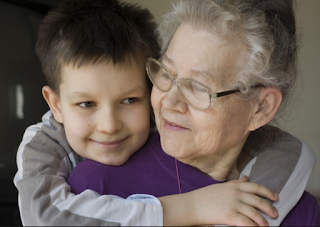
Image
Can molecular memories of our ancestors’ experiences affect our own behaviour and physiology? That idea has certainly grabbed hold of the public imagination, under the banner of the seemingly ubiquitous buzzword “epigenetics”. Transgenerational epigenetic inheritance is the idea that a person’s experiences can somehow mark their genomes in ways that are passed on to their children and grandchildren. Those marks on the genome are then thought to influence gene expression and affect the behaviour and physiology of people who inherit them.    The way this notion is referred to – both in popular pieces and in the scientific literature – you’d be forgiven for thinking it is an established fact in humans, based on mountains of consistent, compelling evidence. In fact, the opposite is true – it is based on the flimsiest of evidence from a very small number of studies with very small sample sizes and serious methodological flaws. [Note that there is, b...

“Like father, like son”: Testing folk beliefs about heredity in the arena of assisted reproduction.

Image
“The apple doesn’t fall far from the tree”. “Chip off the old block”. “Cut from the same cloth”. “Black cat, black kitten”. “Chickens don’t make ducks”. “He didn’t lick it off the stones”. “It’s not from the wind she got it”. “She comes by it honestly”. Every culture seems to have its own phrases describing the power of heredity – not just for physical traits, but also for behavioural ones. (Those last three are peculiar to Ireland, I think). This folk wisdom, accumulated from centuries of observation of human behaviour, seems to reflect a widespread belief that genetic effects on behaviour and personality are strong, indeed dominant over effects of upbringing. (Image credit: https://schoolworkhelper.net/essay-nature-vs-nurture-or-both/) Of course, folk wisdom can be wrong. And old folk sayings may not reflect current thinking – perhaps people’s opinions on the subject have changed. Indeed, if you were to take academic discourse on th...